


Qurbani Donation 2026 UK Made Easy: A Complete Guide to Rules, Dua, Rewards & Real Impact
What is Qurbani and Why is it a Magnificent Ritual?
Qurbani – also known as Udhiyah – is one of the greatest Islamic rituals through which a Muslim draws closer to Allah during the blessed days of Eid al-Adha. It is not merely a religious rite, but a living embodiment of the story of faith and complete submission to Allah, exemplified by Prophet Ibrahim (Abraham) when he prepared to sacrifice his son Ismail in obedience to Allah's command. When they both submitted and he laid him down on his forehead, Allah ransomed him with a great sacrifice. This timeless scene teaches us that obedience to Allah takes precedence over any worldly consideration.
فَلَمَّا أَسْلَمَا وَتَلَّهُ لِلْجَبِينِ (103) وَنَادَيْنَاهُ أَن يَا إِبْرَاهِيمُ (104) قَدْ صَدَّقْتَ الرُّؤْيَا ۚ إِنَّا كَذَٰلِكَ نَجْزِي الْمُحْسِنِينَ (105) إِنَّ هَٰذَا لَهُوَ الْبَلَاءُ الْمُبِينُ (106) وَفَدَيْنَاهُ بِذِبْحٍ عَظِيمٍ (107) (سورة الصافات)
Meaning of Qurbani: Linguistically, it means "that which brings one closer" or an offering to draw near to Allah. In Islamic legal terms, it refers to the sacrifice of livestock (cattle, sheep, goats, camels) during the days of Tashreeq (10th, 11th, and 12th of Dhul-Hijjah) with the intention of drawing closer to Allah, seeking His pleasure, and following in the footsteps of Prophet Ibrahim, who set the finest example of absolute submission to the Creator.
Mentioned in the Quran: Allah says in Surah Al-Kawthar: "So pray to your Lord and sacrifice [alone]" (108:2). This is a direct command to the Prophet (peace be upon him) and his nation to establish prayer and offer sacrifices in gratitude for Allah's blessings.
Today, with the growing number of Muslims in Britain, understanding how to perform this ritual correctly and how to deliver its reward to those who deserve it remains a top priority. This is where trusted charitable organisations like Mercy Relief UK come in. They accept Qurbani donations and distribute them to the poorest of the poor around the world, turning the moment of Eid into a genuine opportunity for solidarity and immense reward.
"Don't miss the great reward: Donate your Qurbani now through Mercy Relief UK"
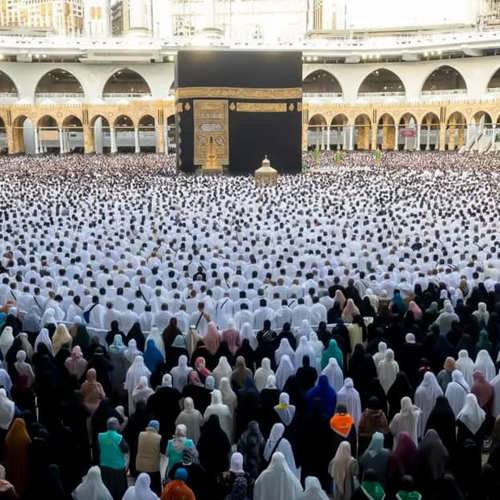
Rulings on Donating Qurbani: Is it Obligatory or a Sunnah?
Question: Is it obligatory for me to offer a sacrifice this year?
Answer: The answer is as follows:
-
Scholarly Difference: Jurists have differed on the ruling of Qurbani.
-
The Prevalent View among Hanafis: It is obligatory (wajib) for every sane, adult, resident Muslim who possesses surplus wealth above their basic needs, equivalent to the Nisab (threshold) of Zakat.
-
The Majority View (Malikis, Shafi'is, Hanbalis): It is a highly confirmed Sunnah (Sunnah Mu'akkadah), meaning that one who abandons it despite being able is considered to have neglected a great Sunnah, but does not commit a sin.
-
-
-
Upon whom is it obligatory? Those who possess 87.48 grams of gold or 612.36 grams of silver surplus to their essential needs (housing, sustenance, debts).
Double your reward in the first ten days
The Virtue of Donating Qurbani in the First Ten Days of Dhul-Hijjah: Multiplying Reward
How can I invest the reward of Qurbani in the best ten days?
The Most Beloved Days to Allah: The Prophet (peace be upon him) said: "There are no days in which righteous deeds are more beloved to Allah than these days" – referring to the first ten days of Dhul-Hijjah.
Donating Qurbani is the Best of Deeds: Actions performed during these days have multiplied rewards, and Qurbani is the noblest of deeds during this time as it combines wealth, benefiting others, and obeying Allah's command.
How to Invest Your Reward:
Firstly: Sincerity (Ikhlas): Make your intention purely for Allah.
Secondly: Supplication (Dua): Increase your supplications for yourself, your family, and all Muslims, especially the Dua of the Day of Arafah.
Thirdly: Charity (Sadaqah): Donating Qurbani is a form of charity that Allah accepts with manifold rewards during these blessed days.
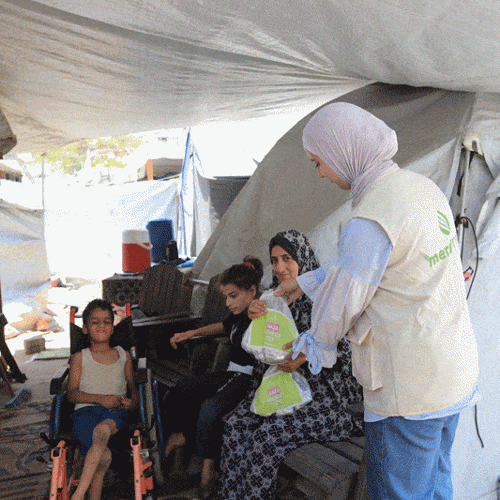
The Profound Impact of Donating Qurbani: Reward for You, Life for Them
Question: How will my donation have a profound impact on the poor?
Answer: Qurbani donations have a profoundly important impact on both the donor and the beneficiary:
For the Donor:
-
Multiplication of Reward and Blessings: As mentioned in the noble Hadith, righteous deeds during these days carry immense reward.
-
Purification of Wealth and Soul: Charity extinguishes sins as water extinguishes fire, purifies wealth, and increases it.
-
Blessing in Sustenance: Allah compensates those who give and blesses them in their wealth and children.
-
Feeling of Contentment and Happiness: Helping others brings joy to the donor's heart and provides psychological comfort.
For the Beneficiaries:
-
Feeding the Hungry: Providing a source of protein and food for families who might only taste meat once a year.
-
Bringing Joy and Happiness: To the hearts of children and impoverished families on Eid day, strengthening social bonds.
-
Alleviating Suffering: In conflict and disaster zones where the need for food is urgent.
-
Strengthening Solidarity: Makes beneficiaries feel that they are part of the larger Muslim community and that someone cares for them.
Mercy Relief UK: Your Qurbani Reaches Where It's Needed
Mercy Relief UK is a leading charitable organisation working diligently to ensure Qurbani donations reach the most needy people across the globe.
With over 15 years of experience in humanitarian work, the organisation has become a bridge of goodwill, connecting generous donors in Britain and other supporting countries with those in need in nations affected by poverty, conflict, and natural disasters.
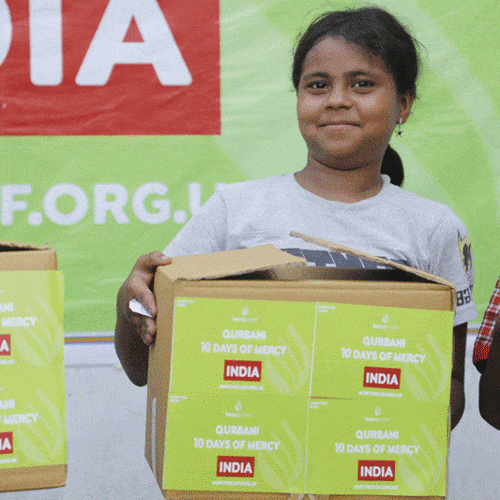
Our Activities in the Qurbani Donation Ritual
Mercy Relief UK focuses its efforts in its Qurbani donation programme on the most affected countries and regions where the need for food and protein is urgent. Among the most prominent target countries reached by the organisation are:
-
Yemen: Yemen is considered one of the largest countries suffering from the world's worst humanitarian crisis. Mercy Relief has been working in Yemen since 2008, running bakeries, distributing food parcels, and supporting thousands of orphans. Qurbani donations go to hungry families there.
-
Gaza (Palestine): The organisation responds urgently in Palestine, where 2.3 million Palestinians suffer from severe shortages of food, water, and medicine. Mercy Relief distributes hot meals and food parcels, especially during times of war and conflict, bringing joy to the hearts of besieged children and families.
-
East Africa (Somalia, Kenya): The East Africa region is facing the worst drought in 40 years. Mercy Relief leads water and food distribution projects there, with Qurbani being a primary source for saving children from famine.
-
India and Lebanon: In addition to the above, the organisation's efforts extend to seasonal aid in these countries suffering from natural disasters or severe economic crises.
Mercy Relief UK works by purchasing Qurbani animals from local farmers in these countries, thereby supporting local economies and providing job opportunities. The animals are then sacrificed, and the meat is distributed according to Islamic law, adhering to the highest standards of quality and hygiene to ensure that fresh, healthy meat reaches the beneficiaries.
"Feed a hungry person this Eid: Contribute your Qurbani in Yemen, Gaza, and Africa"
Qurbani Conditions and How to Sacrifice: A Comprehensive Guide
Question: What are the conditions for the validity of Qurbani?
Here we provide a set of tips for the British community and every Muslim when asking: What are the conditions of Qurbani? How do you choose your sacrifice?
Answer: The answer is:
-
Age of the Sacrificial Animal:
-
Sheep (Lamb): One year or more (sufficient for one person).
-
Goat: One year or more (sufficient for one person).
-
Cattle (Cow/Ox): Two years or more (sufficient for seven people).
-
Camel: Five years or more (sufficient for seven people).
-
-
Soundness of the Animal: It must be free from defects such as:
-
Blindness or obvious one-eyedness.
-
Obvious illness.
-
Obvious lameness preventing it from walking to the slaughter site.
-
Extreme emaciation.
-
-
Time of Sacrifice: The time for sacrifice begins after completing the Eid prayer (i.e., after sunrise and its rising to the height of a spear) and continues until sunset on the third day of Tashreeq (13th of Dhul-Hijjah).
-
Etiquettes of Slaughtering:
-
Use a sharp knife and treat the animal kindly.
-
Do not sharpen the knife in front of the animal.
-
Do not slaughter one animal in the presence of another.
-
Mention Allah's name and say the Takbir: The person slaughtering says "Bismillah, Allahu Akbar" (In the name of Allah, Allah is the Greatest).
-
-
Intentions (Niyyah): You can donate Qurbani on behalf of yourself, your family, and for the deceased (if they bequeathed it or as a voluntary donation on their behalf).
-
Choosing the Organisation: Look for a transparent organisation with a genuine field presence. Mercy Relief is a trusted organisation in Britain with strong field partnerships in Yemen, Gaza, Afghanistan, India, and other target countries.
-
Cost: Prices vary depending on the country. For example, a Qurbani in Yemen or Sudan might be cheaper than one in Gaza, but the reward is the same, and Allah accepts it. The purpose is to bring joy to the poorest of the poor.
(Qurbani Dua) When Donating Qurbani and Related Remembrances (Adhkar)
Question: What should I supplicate (Qurbani Dua) when sacrificing or donating Qurbani?
Answer: The answer is as follows:
-
Dua for Slaughtering: There is no specific supplication with fixed wording required before slaughtering, but the Sunnah is for the one slaughtering to say when beginning the sacrifice:
-
"Bismillah, Allahu Akbar. Allahumma hadha minka wa laka. Allahumma taqabbal minni" (In the name of Allah, Allah is the Greatest. O Allah, this is from You and for You. O Allah, accept it from me).
-
Or as narrated from the Prophet (peace be upon him): "Bismillah, Allahu Akbar. Hadha anni wa amman lam yudahhi min ummati" (In the name of Allah, Allah is the Greatest. This is on behalf of me and whoever from my nation has not offered a sacrifice) – if sacrificing for himself and his nation.
-
-
Takbirs of the Ten Days: It is from the Sunnah to increase the Takbir, Tahleel (saying La ilaha illallah), and Tahmeed (saying Alhamdulillah) during the ten days and Eid al-Adha. Among them are the Takbirs of Tashreeq recited after the obligatory prayers from Fajr of the Day of Arafah until Asr of the third day of Tashreeq:
-
"Allahu Akbar, Allahu Akbar, La ilaha illallah, Wallahu Akbar, Allahu Akbar, Wa lillahil hamd" (Allah is the Greatest, Allah is the Greatest. There is no god but Allah. And Allah is the Greatest, Allah is the Greatest. And to Allah belongs all praise).
-
-
Dua for Repentance and Seeking Forgiveness: Allah says: "Our Lord, indeed we have believed, so forgive us our sins and protect us from the punishment of the Fire" (Surah Aal-Imran, 3:16).
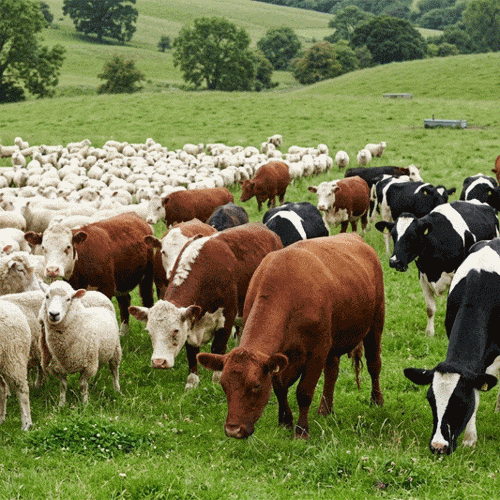
Distribution Method When Donating Qurbani: Who Has the Right to Take the Meat?
Question: How is the Qurbani meat distributed? Who are the deserving poor?
Answer: The answer is as follows:
-
Division of Qurbani According to Sharia: It is recommended to divide the Qurbani meat into three thirds: one third for the one offering the sacrifice and his family to eat, one third to give as a gift to friends and neighbours, and one third to give in charity to the poor.
-
Mercy Relief's Distribution: When you donate your Qurbani through the organisation, the meat is distributed entirely to the poor and needy (especially in disaster-stricken areas) to ensure they receive their share of Eid's joy.
-
Selection Criteria: Organisations like Mercy Relief use a points-based system to determine the deserving, including:
-
Families living below the poverty line.
-
Families headed by a widow or a woman.
-
Families with disabled or elderly members.
-
Children under five years old, pregnant women, and nursing mothers.
-
"Do not let any family go to sleep on the night of Eid without food. Today's Qurbani might be the reason joy enters the heart of an orphan. Your donation saves a life and brings reward."
Frequently Asked Questions (FAQ)
Q: What is Qurbani?
A: Qurbani is an Islamic ritual involving the sacrifice of a livestock animal (camel, cow, sheep, goat) during the blessed days of Eid al-Adha, as an act of drawing closer to Allah and thanking Him for His blessings. It is also known in English as Qurbani, meaning "proximity" or "sacrifice."
Q: When is the time for slaughtering the Qurbani?
A: The time for slaughtering the Qurbani begins immediately after the Eid al-Adha prayer on the 10th day of Dhul-Hijjah and extends until sunset on the 13th day of Dhul-Hijjah (the last day of Tashreeq). It is preferred to slaughter on the first day after the prayer.
Q: Is Qurbani obligatory or a confirmed Sunnah?
A: Qurbani is considered a confirmed Sunnah (Sunnah Mu'akkadah) according to the majority of jurists, and obligatory (wajib) according to the Hanafis upon every sane, adult, resident Muslim who possesses the Zakat Nisab surplus to their essential needs.
Q: What is the correct supplication (Qurbani Dua) for Qurbani?
A: There is no specific supplication required before purchasing. However, when slaughtering, one says: "Bismillah, Allahu Akbar. Allahumma hadha minka wa laka. Allahumma taqabbal minni" (In the name of Allah, Allah is the Greatest. O Allah, this is from You and for You. O Allah, accept it from me). When donating through a charity, a sincere intention in the heart suffices.
Q: When will the Eid Qurbani for 2026 be slaughtered?
A: Eid day (10th Dhul-Hijjah) is expected to be on 27th May 2026 (subject to moon sighting), and the slaughtering time continues until sunset on the 13th Dhul-Hijjah.
Q: Is it permissible to donate money instead of buying a Qurbani animal?
A: The preponderant view is that Qurbani is a financial act of worship intended for the actual slaughter of an animal at a specific time. If you are able, it is best to buy the Qurbani animal or donate its value to an organisation that buys and sacrifices it on your behalf. According to the Hanafis, it is not permissible to give its value as cash to a poor person instead of meat, while some others allow it due to extreme necessity. The preferred and more cautious approach is actual slaughter.
Q: How much does Qurbani cost in the UK?
A: Prices vary depending on the target country. Through organisations like Mercy Relief, they typically start from £27 (for Qurbani in India) and include purchase, slaughter, and distribution. Checkout our Qurbani 2026 locations and prices.
Q: Who are the beneficiaries of Eid Qurbani?
A: The poor and needy, especially widows, orphans, refugees, and displaced persons in war camps, such as those in Gaza, Yemen, and Afghanistan.
Q: Is it permissible to share in Qurbani?
A: Yes, it is permissible to share in Qurbani if it is a cow or camel, provided that the number of participants does not exceed seven people per animal. As for a sheep or goat, sharing is not permissible, and it suffices for only one person.
Q: How is Qurbani meat distributed?
A: It is recommended to divide the Qurbani meat into three equal parts: one part for the one offering the sacrifice and his family, one part for relatives and friends, and one part for the poor and needy. Charitable organisations often distribute all three parts to the poor and needy.
Q: Is Qurbani obligatory for a wife and children?
A: According to the Hanafis, Qurbani is obligatory upon every accountable Muslim (sane, adult) who possesses the Nisab. If a husband possesses wealth, it is obligatory upon him for himself. It is obligatory upon his wife for herself if she has separate wealth reaching the Nisab. As for minor children, it is not obligatory upon them, but it is recommended for a Muslim to offer Qurbani on behalf of his household.
Q: What should I do if I forgot to offer Qurbani last year?
A: You must make up (qada) the Qurbani for the past year. You should give the value of a Qurbani for last year, in addition to the Qurbani for the current year, and give all the meat in charity to the poor.
Q: Is it permissible to eat from the meat of the Qurbani I donated to a charity?
A: If you donated it with the intention that it be entirely a charity (sadaqah) or solely for the poor, then you do not eat from it. However, if the donation was with the general intention of "Qurbani" and you did not stipulate that all of it be distributed to the poor, then you may eat from it. Charitable organisations usually distribute it entirely because they target the poorest of the poor.
Q: How can you be sure your Qurbani has arrived?
A: Mercy Relief provides photo and video reports of the distribution process via their website and social media platforms to ensure transparency and credibility.
Q: What is the ruling on cutting nails and hair for the one intending to offer a Qurbani?
A: It is recommended (and according to some, obligatory) for the one upon whom the month of Dhul-Hijjah enters while intending to offer a sacrifice, not to remove anything from their hair or nails until after they have slaughtered their sacrifice, imitating the state of the pilgrim in ihram.
Q: What is the Nisab (threshold) for Qurbani in the UK?
A: The Nisab is typically measured by the value of silver (612.36 grams) or gold (87.48 grams). If you possess surplus wealth above your basic needs equivalent to this amount, then it is recommended (or obligatory) for you to offer a sacrifice.
Q: Is it permissible to authorise Mercy Relief to slaughter on my behalf?
A: Yes, authorising someone to perform the Qurbani is legally permissible in Sharia, and it is the best option for Muslims in Britain to ensure the meat reaches those most in need in poor countries.
Q: Does a single share in a cow suffice for one person?
A: Yes, a cow or camel suffices for seven people (7 shares), whereas a sheep or goat suffices for one person and their household.
Q: What is the difference between Qurbani and general charity (Sadaqah)?
A: Qurbani is a ritual tied to a specific time and specific act (slaughtering), whereas Sadaqah is general and can be given at any time.
Q: Is it permissible to donate Qurbani on behalf of a deceased person, such as donating on behalf of your father or mother?
A: Yes, it is permissible to donate Qurbani on behalf of deceased loved ones and relatives. This is one of the best acts of nearness that reaches them after their death. It can be achieved simply by the intention in the heart when paying the value of the Qurbani or donating it through charitable organisations. The Muslim should intend that this Qurbani is on behalf of the deceased person, such as parents or other loved ones who have passed away. This noble act is considered among the highest forms of ongoing charity (Sadaqah Jariyah) that reaches the deceased, brings them joy, and earns reward and blessings for both the living and the deceased, by the will of Allah.
"The ten days are on the horizon. Invest in them with the greatest acts of devotion. A Qurbani gives you reward and gives them life."